Herbal Medicine
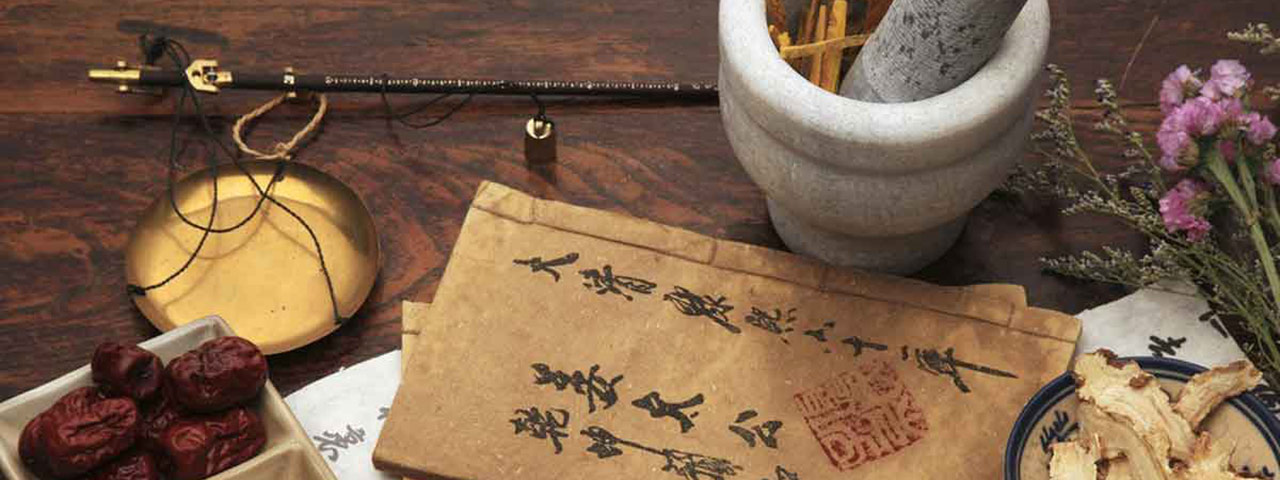
Herbal medicine, also known as herbalism or botanical medicine, is a medical system based on the use of plants or plant extracts that may be consumed or applied to the skin. It has persisted as one of the world’s primary forms of medicine since ancient times, with a written history of more than 5,000 years.
Herbal medicine utilizes both plant biochemical components, which have physical effects in the body, and energetic actions, which have an affinity for more subtle levels of body functioning.
At Rochester Acupuncture, we use two main types of herbal medicine:
Gemmotherapy
Gemmotherapy, or phytoembryotherapy, uses the embryonic parts of plants. Fresh buds, young leaves, and rootlets are used because they contain undifferentiated, fast-dividing cells that contain the plant’s genetic blueprint and material. These embryonic tissues are rich in growth factors, plant hormones, enzymes, minerals, and phytonutrients. These components are at their highest levels in the springtime, when they are harvested.
Gemmotherapy remedies can support the regeneration of tissues and organs due to their high levels of plant growth hormones. They may also support organ function, electrolyte and hormonal balance, and the body’s natural processes of clearing metabolic waste products from cells.
Rochester Acupuncture uses Phytogen formulas by Genestra. These formulas utilize the synergy of three plants and are highly concentrated. These high-quality supplements are easy to use because the dosages are very low, ranging from 5–10 drops twice per day.
Chinese Herbal Medicine
Chinese herbology has a written history of more than 5,000 years. As practitioners of Traditional Chinese Medicine, Brooke and Ferran have studied more than 350 herbs in the Chinese Materia Medica. Chinese herbs are prescribed in formulas. An herbal formula may contain plant elements—leaf, stem, flower, root, or seed—and sometimes minerals. Some animal products are also traditionally classified as herbs. Chinese herbal medicine works in tandem with acupuncture by providing nourishing support alongside acupuncture treatment.
Each herb in a formula is chosen according to its flavor, therapeutic property, and the organ system in which it is active. Flavors include sour, bitter, acrid, salty, and sweet. Therapeutic properties span cold, cool, neutral, warm, and hot. Each herb is then categorized according to its primary therapeutic action. These may include diaphoretics (supporting perspiration), anti-inflammatories, diuretics (supporting urination), digestives, internal warmers, relaxants, and tonics. Chinese herbal formulas utilize the synergy of several herbs and can address several patterns at the same time.
At Rochester Acupuncture, we offer a variety of prepared Chinese herbal formulas in capsules and liquid extracts, as well as personalized formulas in concentrated powder.