Chinese Medicine & Acupuncture
“Those who are skilled in nourishing life
Follow the rhythms of yin and yang
And adapt to the changes of the seasons.”
— The Yellow Emperor’s Classic of Medicine
Chapter 2, adapted translation
Chinese Medicine
Chinese Medicine is a complete system of healing that has been developed and practiced by physicians for more than 3,000 years. Traditional Chinese Medicine includes acupuncture and Chinese herbology, heat therapy, breathing exercises and meditation, therapeutic massage, nutrition, and lifestyle counseling.
Although it is commonly called Chinese Medicine, the broader term East Asian Medicine or Asian Medicine also recognizes the contributions of related medical traditions developed in Japan, Korea, and other parts of Asia. These traditions share historical roots while developing their own distinctive approaches to diagnosis and treatment.
At its essence, this medicine is concerned not only with addressing symptoms, but also with prevention and personal development. It seeks to strengthen and nourish the body while helping each person cultivate a deeper relationship with their own body, their environment, their community, and their direction in life. From the perspective of Chinese Medicine, well-being arises through greater harmony within oneself and with the world around us.
Acupuncture
Acupuncture is a healing technique that has been in use for several thousand years and is practiced around the world. It is part of Traditional Chinese Medicine, along with herbal medicine, moxibustion, cupping, dietary therapy, breathing exercises, Tuina massage, and lifestyle counseling.
It consists of inserting very thin, disposable needles into specific points on the skin that help regulate the flow of vital force and blood to different parts and organs of the body. Most of the points used are on the extremities. Insertion is usually painless. Once the needles are inserted, the person rests for 20 to 40 minutes. After the needles are removed, they are disposed of. Needles are used only once.
But there is much more to it than simply taking a nap with a few thin needles. Acupuncture is a complete medical protocol within Traditional Chinese Medicine that is used to assess and address patterns of imbalance while supporting general health and well-being.
How Does It Work?
Through the observation of nature and its rhythms, the doctors and practitioners who developed the foundations of Traditional Chinese Medicine observed what they understood as a universal life energy present in every living creature. They called this energy qi (pronounced “chee”).
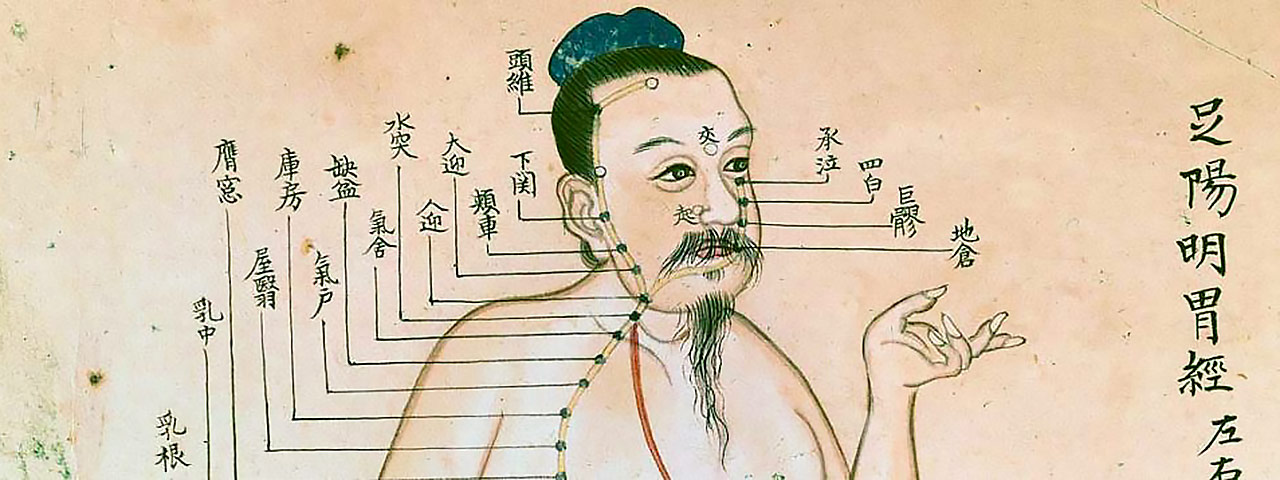
In Chinese Medicine, qi is understood to circulate throughout the body along specific pathways that function as vessels or meridians. As long as this energy flows freely throughout the meridian system, health is maintained. If the flow is blocked or disrupted, pain and dysfunction may occur. Imagine rivers that flood and cause damage, or an electrical grid short-circuiting and causing blackouts. Acupuncture works to support normal function by stimulating certain points on the meridians in order to free the flow of qi.
Traditional Chinese Medicine also sees each person as an integrated whole of physical body, energy system, and mind. These three aspects influence and regulate one another. The energy system helps protect, integrate, and nourish the body and mind. The body supports the mind, and the mind has the ability to experience and direct the physical body through its interaction with the energy system. When they are in communication and balance, a person experiences well-being. When they are out of balance or blocked, disease may arise. For this reason, Chinese Medicine emphasizes a holistic approach that sees and treats the person as a whole.
From a modern scientific perspective, acupuncture is not fully understood. Research suggests that it may influence nervous-system function and local tissues, and may affect how pain is processed. Research continues into its mechanisms and its effects for different conditions.
What Is Acupuncture Used For?
Acupuncture was popularized in the United States during the early 1970s after President Nixon opened relations with China. At the time, a New York Times reporter, James Reston, had an appendectomy in a Chinese hospital and received acupuncture to help decrease post-surgical pain. This led much early Western research on acupuncture to focus on its pain-relieving effects, but that is only one part of what acupuncture offers.
Acupuncture is commonly used to support pain management, relaxation, and overall well-being. It is generally a very relaxing experience due to its effects on the nervous system. Even people who are initially afraid of needles often find acupuncture comfortable.
Many people have found acupuncture and Traditional Chinese methods of healing to be valuable tools for supporting health and well-being. It may be used as part of an integrative approach to physical, psychological, and emotional concerns.
Research on acupuncture varies by condition. The National Center for Complementary and Integrative Health, part of the National Institutes of Health, notes that acupuncture may be helpful for several pain conditions, including back or neck pain, knee pain associated with osteoarthritis, headaches, and some forms of postoperative pain.
People commonly seek acupuncture for concerns related to:
- Pain Management: Musculoskeletal problems, migraine, and headache.
- Women’s Health: Fertility support, pregnancy support, and gynecological concerns.
- Digestive System: Gastrointestinal concerns, constipation, and treatment-related nausea.
- Nervous System: Stress, anxiety, depression, panic attacks, and insomnia.
- Respiratory & Immune System: Allergies, asthma, and respiratory concerns.
- General Wellness: Supporting overall balance and well-being.
For current research-based information, visit the National Center for Complementary and Integrative Health.
Are There Any Side Effects?
When performed by a properly trained practitioner using sterile, single-use needles, acupuncture is generally considered safe. Occasionally after treatment, patients may report feeling slightly sore, lightheaded, or tired. However, most people report a sense of pleasant relaxation.
It is advisable to rest for at least a few moments after a treatment in order to stabilize the body. It is best not to eat a heavy meal or engage in strenuous activity immediately before or after a treatment.
Cupping & Gua Sha
Cupping and gua sha are traditional techniques that may be used as part of an acupuncture treatment when appropriate. Cupping uses gentle suction from glass, silicone, or plastic cups placed on the skin. It is often used over areas of muscular tightness or discomfort and may leave temporary circular marks that fade gradually over several days.
Gua sha involves gently gliding a smooth-edged tool over lubricated skin. It is commonly used over areas of tension, particularly the neck, shoulders, back, and limbs. The skin may temporarily become red or lightly marked after treatment.
Both techniques are selected individually and are not necessary at every visit. Please let us know if you take blood-thinning medication, have a bleeding disorder, or have any concern about whether these techniques are appropriate for you.
Moxibustion
Moxibustion is a technique that uses heat and light produced from burning a Chinese herb, Artemisia vulgaris, near or on specific acupuncture points. By its warming effect, it is traditionally used to nourish vital energy in the body and smooth its flow within the system of acupuncture channels.
It is a technique commonly used to provide a pleasant warming sensation and may be helpful for areas of joint discomfort, such as the knees or elbows.
Traditionally, moxibustion is used to complement acupuncture by warming the body and supporting circulation through the acupuncture channels.
Moxibustion
Moxibustion is a technique that uses heat produced from burning a Chinese herb, Artemisia vulgaris, near or on specific acupuncture points. In Traditional Chinese Medicine, its warming quality is used to nourish and support the flow of vital energy through the acupuncture channels.
It is often used to provide a pleasant warming sensation and may be especially helpful in treatment plans for areas of joint discomfort, such as the knees or elbows.
Traditionally, moxibustion is used to complement acupuncture by warming the body and supporting circulation through the acupuncture channels.